Marsh Wall builders cleaning after renovation price guide
If you have just finished a renovation in Marsh Wall, you will know the feeling: the work is done, but the place still looks half-finished. Fine dust on the skirting boards, paint specks on the window frames, plaster haze on the tiles, and that faint gritty film that seems to settle everywhere. This is exactly where a Marsh Wall builders cleaning after renovation price guide becomes useful. It helps you understand what you are paying for, what affects the price, and how to judge whether a quote is fair.
Truth be told, post-renovation cleaning is not just a quick tidy. It is a proper, detail-heavy clean designed to remove building dust, residue, and the little surprises left behind after trades have packed up. In a busy London location like Marsh Wall, where flats, offices, and mixed-use properties often need fast turnaround, knowing the cost structure can save time, stress, and a few awkward phone calls.
In this guide, you will find a clear explanation of how pricing works, what to expect from builders cleaning, where costs can rise, and how to make a sensible decision without overpaying. We will also look at practical checks, common mistakes, and a real-world example so you can compare quotes with a lot more confidence.
Table of Contents
- Why Marsh Wall builders cleaning after renovation price guide Matters
- How Marsh Wall builders cleaning after renovation price guide Works
- Key Benefits and Practical Advantages
- Who This Is For and When It Makes Sense
- Step-by-Step Guidance
- Expert Tips for Better Results
- Common Mistakes to Avoid
- Tools, Resources and Recommendations
- Law, Compliance, Standards, or Best Practice
- Options, Methods, or Comparison Table
- Case Study or Real-World Example
- Practical Checklist
- Conclusion
- Frequently Asked Questions
Why Marsh Wall builders cleaning after renovation price guide Matters
Builders cleaning after a renovation is one of those services people underestimate until they need it. A freshly renovated space can look nearly finished in daylight, then suddenly not so great when the evening light hits and reveals dust on every horizontal surface. That is especially true in Marsh Wall, where many homes and commercial units have lots of glass, polished finishes, and compact layouts that make dust more visible.
A good price guide matters for three reasons. First, it helps you budget properly at the end of a project, when money often feels tighter than expected. Second, it gives you a realistic idea of the scope. And third, it helps you avoid the trap of comparing quotes that are not actually for the same job. One cleaner may include internal windows, cupboards, and fixtures. Another may only cover a light surface clean. Same phrase, very different outcome.
It is also useful because post-renovation work often needs more than a standard domestic clean. Fine dust gets into vents, edges, sockets, tracks, and corners. You cannot simply run a vacuum around the middle of the room and call it done. Anyone who has opened a window after a renovation and watched a small cloud of dust drift out will know exactly what I mean.
Expert summary: The fairest way to judge builders cleaning prices is to look at scope, condition, access, and finish level, not just the headline number. A cheap quote can become expensive if key tasks are missing.
For Marsh Wall properties in particular, access can affect pricing too. Lift restrictions, loading arrangements, tight entry points, and after-hours access can all change the amount of time needed on site. That is normal, not a trick. But it does mean the price guide needs context.
How Marsh Wall builders cleaning after renovation price guide Works
Builders cleaning is usually priced around the size of the property, the level of mess, and the amount of detail required. The process is more methodical than a standard clean because the work has to remove construction residue without damaging new finishes.
Most companies will ask questions such as:
- What type of renovation was completed?
- How many rooms or square metres need cleaning?
- Are there carpets, hard floors, glass panels, or delicate surfaces?
- Is there heavy dust, paint splatter, adhesive residue, or plaster?
- Does the property need a one-off deep clean or a full builders clean?
- Is there good parking and access near Marsh Wall?
The answer to those questions shapes the quote. A small one-bedroom flat with light dust will naturally cost less than a two-storey commercial fit-out with debris, tape residue, and windows that need detailed attention. Fair enough, really.
In practice, the service often includes a mix of:
- dust removal from surfaces, skirting, doors, ledges, and fixtures
- vacuuming and mopping of floors
- cleaning of internal windows and frames
- removal of plaster dust and light paint marks
- wipe-down of kitchens and bathrooms
- spot cleaning of walls, switches, and fittings where safe
Some providers also separate the clean into stages. A rough builders clean clears the main debris first, while a final clean focuses on presentation and detail after the trades have finished. That staged approach can be very sensible if snagging is still going on.
Price guides are usually meant to be directional, not fixed. The right question is not just "how much does it cost?" but "what exactly is included for that price?" That is the bit people sometimes miss, and it matters a lot.
Key Benefits and Practical Advantages
The obvious benefit is a clean, liveable, or rentable property. But there is more to it than appearances. A proper post-renovation clean protects the finish of your new surfaces and helps the property function as intended from day one.
Better presentation
Dust on fresh paint, fingerprints on glass, and grout haze on tiles can spoil the result of a renovation. A professional clean helps everything look finished, not just repaired. If you are selling, letting, or handing over a commercial space in Marsh Wall, that first impression matters.
Less risk of damage
Construction dust is abrasive. Left sitting on polished worktops, floors, or fittings, it can dull surfaces over time. A careful clean removes the grit before it gets dragged around by foot traffic. It sounds small, but it really is not.
More usable time
Let's face it, most people do not want to spend their weekend scraping plaster off a windowsill with a plastic blade. Hiring the right team saves hours, sometimes days, and lets you focus on the next job in the chain, whether that is moving in, opening, or handing over keys.
Cleaner air and less irritation
Fine dust can linger long after the obvious mess has gone. In a newly finished property, it can settle on vents, blinds, sockets, and soft furnishings. A proper builders clean reduces that lingering dust layer and makes the space feel genuinely ready.
Stronger value for landlords and developers
For landlords and developers, a well-cleaned property tends to show better in photos and viewings. It also helps avoid complaints at handover. If you are comparing this with other services, it can be worth looking at end of tenancy cleaning and deep cleaning to understand where builders cleaning sits in the wider range of finishes.
Who This Is For and When It Makes Sense
This kind of cleaning is for anyone who has had building work, refurbishment, decorating, or a fit-out and now needs the property properly reset. In Marsh Wall, that often includes apartment owners, property managers, tenants moving into a newly refurbished space, and office teams returning after works.
It makes sense when you are dealing with:
- post-renovation dust that keeps reappearing
- new kitchens, bathrooms, or floors that need careful finishing
- internal glass or frames covered in dust or residue
- newly painted areas with splashes or marks
- commercial spaces that need a presentable handover
- time-sensitive move-ins or launches
If you are only dealing with light dust from one room, a one-off clean may be enough. But if the project involved sanding, plastering, drilling, or multiple trades, builders cleaning is usually the better fit. That distinction matters more than people think.
There is also a practical timing question. Do not book too early if more trades are due back. It sounds obvious, yet it happens all the time. You clean, someone returns to fit a shelf, and suddenly there is fresh dust again. A bit frustrating, that.
Step-by-Step Guidance
If you want to compare quotes sensibly, it helps to follow a simple process. Here is the approach we would recommend.
- Walk through the property carefully. Look for visible dust, paint spots, adhesive, grout haze, and debris in corners or tracks.
- List the surfaces that need attention. Floors, skirting, cupboards, sockets, frames, tiles, and internal glass all affect the price.
- Separate light cleaning from heavy cleaning. A property with a bit of dust is not the same as one with plaster residue and builders' tape still attached.
- Check access conditions. Parking, lift access, stair-only entry, and restricted hours can add labour time.
- Ask what is included. Do not assume appliances, inside cupboards, or windows are covered unless it is written down.
- Request a site visit or detailed photo review. For anything more than a very small job, this is often the fairest way to quote.
- Compare like with like. A lower price is only useful if the scope is the same.
- Book the clean at the right stage. Ideally, the main building work is finished and only snagging remains.
That sequence sounds simple, but it prevents most misunderstandings. A quote based on a few vague photos on a phone screen can be miles off. A proper conversation up front usually leads to a cleaner result and less drama later on. Which, to be fair, is what everyone wants.
If you are coordinating several services, you may also want to look at related options such as after builders cleaning, window cleaning, and facade cleaning depending on what the renovation affected.
Expert Tips for Better Results
A good builders clean depends on more than good cleaning products. A few small decisions can improve the result and sometimes lower the price too.
Choose the right stage of clean
If there is still dust-producing work happening, hold off. A final clean after all sanding, drilling, and fitting is done is usually more efficient than cleaning twice.
Be specific about problem areas
Tell the cleaner about sticky residue, overspray, builder's dust in cupboards, or marks on new flooring. The more specific you are, the more accurately the job can be priced.
Protect delicate finishes
New stone, untreated timber, brushed metal, and specialist glass need careful handling. The right cleaner should know what can be wet cleaned, what needs a mild solution, and what should be treated gently. If someone sounds too casual about it, I would pause.
Ask about equipment
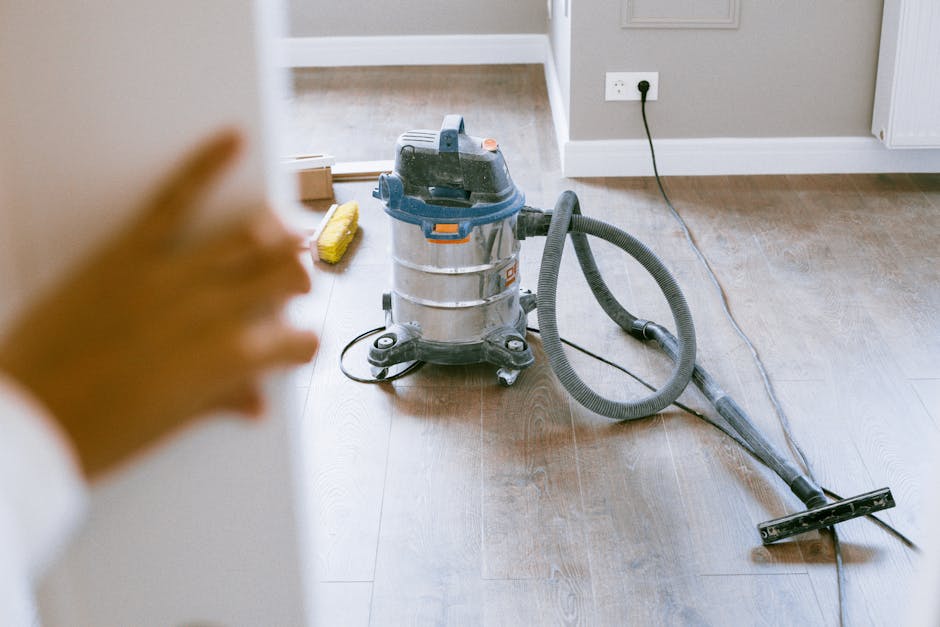
Builders cleaning should use proper vacuums with fine filtration, microfiber cloths, and safe cleaning solutions. Sometimes a standard household vacuum simply is not enough for fine dust. That is not a criticism, just reality.
Keep snagging separate
A cleaner should clean, not fix incomplete building work. If paint is still wet, sealant is uncured, or fittings are loose, let the trades deal with that first. Otherwise you risk paying for a clean that has to be repeated.
Think about presentation timing
If you are hosting viewings, moving in, or handing over keys, schedule the clean close to the event. Dust has a knack for returning overnight, especially in winter when everything is closed up. A bit annoying, but true.
Common Mistakes to Avoid
Most pricing problems come from misunderstanding the job rather than bad intent. Here are the usual trouble spots.
- Comparing quotes without matching scope. One quote may include internal windows, another may not.
- Assuming "builders clean" means the same thing everywhere. It does not. Definitions vary quite a lot.
- Booking before the work is fully finished. Fresh dust will undo the result fast.
- Ignoring access issues. Parking restrictions and narrow access can change how long the job takes.
- Forgetting the details. Light switches, door tops, inside cupboard faces, and skirting boards are often where dust hides.
- Choosing only on price. The cheapest quote can be a false economy if the result is patchy or incomplete.
One slightly silly but very real mistake is forgetting that newly cleaned white surfaces show missed marks instantly. You think the room is done, then the sun moves across the wall and suddenly every tiny smear announces itself. Very rude of the sun, honestly.
Tools, Resources and Recommendations
If you are trying to understand what a proper builders clean should involve, it helps to know what professionals typically use. This also makes quote comparisons easier, because equipment often reflects the level of service.
- Fine-filtration vacuum cleaners: useful for dust that standard vacuums may recirculate.
- Microfiber cloths: better for trapping dust than pushing it around.
- Scrapers and safe blades: used carefully for paint spots or labels on glass.
- Non-abrasive cleaning solutions: especially important for new finishes.
- Extension poles and detail tools: for high ledges, frames, and awkward corners.
- Protective gloves and PPE: sensible for dust-heavy sites and chemical use.
On the website, you may also find it helpful to review pricing and quotes, insurance and safety, and health and safety policy before confirming any job. Those pages can help you understand how the company handles trust, risk, and booking clarity.
If you are comparing a property clean with other services, nearby options like move-in cleaning, move-out cleaning, and one-off cleaning may also be relevant depending on your timeline.
Law, Compliance, Standards, or Best Practice
For most customers, the main compliance issue is not a specialist legal rule, but basic duty of care and safe working practice. In the UK, cleaning providers are expected to work sensibly with equipment, materials, access, and risk management. The details vary by site, but the principle is straightforward: the job should be carried out safely and without unnecessary damage to the property or anyone in it.
For post-renovation cleaning, best practice usually means:
- using appropriate personal protective equipment where needed
- following safe handling instructions for cleaning products
- being careful around fragile fixtures, new finishes, and electrical fittings
- making sure access routes are kept reasonably tidy during the clean
- avoiding harsh products on surfaces that need specialist care
If the property is commercial, managed, or part of a mixed-use building in Marsh Wall, there may also be building management rules about access times, loading, waste removal, or noise. Those are not universal, so it is best to check early rather than assume. A five-minute conversation can save a morning of hassle.
It is also sensible to ask whether the cleaner has public liability cover and what their process is if something gets marked or damaged. Not because problems are expected, but because a professional business should be able to explain how it handles them. You would expect that, really.
Options, Methods, or Comparison Table
Not every post-renovation clean needs the same level of service. The right option depends on how much dust is present and what the property needs to look like at handover.
| Option | Best for | What it usually covers | Pricing tendency |
|---|---|---|---|
| Light post-renovation clean | Small projects with limited dust | Surface dust, vacuuming, basic wipe-downs | Lower |
| Builders clean | Typical refurbishments and decorating work | Detailed dust removal, floors, windows, fixtures, residue removal | Mid-range |
| Final sparkle clean | Property handover or viewing-ready finish | Detailed presentation clean after trades finish | Mid to higher |
| Deep clean plus add-ons | Heavier mess or mixed-use spaces | More thorough clean with extras like carpet or upholstery treatment | Higher |
The table is a useful starting point, but real quotes still depend on size, condition, and access. For example, a compact flat with a lot of glass and white surfaces can take longer than a larger unit with simpler finishes. You cannot always judge by square footage alone. That trips people up quite a bit.
If carpets, soft furnishings, or hard floors need attention after the work, related services such as carpet cleaning, steam carpet cleaning, hard floor cleaning, and upholstery cleaning may be worth discussing as part of the overall plan.
Case Study or Real-World Example
Imagine a one-bedroom apartment in Marsh Wall that has just had the kitchen refitted, the walls repainted, and the bathroom tiled. On the surface, it looks almost ready. But a closer look shows plaster dust in the kitchen drawers, a thin film on the hob splashback, white specks on the skirting, and dust inside the window track.
A basic clean would only clear the obvious surfaces. A proper builders clean would usually involve:
- vacuuming and wiping the entire apartment
- cleaning the kitchen units inside and out where accessible
- polishing taps, glass, and tiles
- removing dust from frames, ledges, and switches
- finishing the bathroom so it looks presentable, not just functional
If the property had clear access and no heavy residue, the price would be relatively moderate. If there were parking issues, extra glass, and multiple return visits from trades, the cost would rise. Not dramatically in every case, but enough to matter. That is why the quote process should be based on the actual site condition rather than a quick guess over the phone.
In a real handover situation, the client usually notices the difference in the small things. The room smells cleaner. The white surfaces stop feeling dusty under the hand. The windows catch the light properly. It is not glamorous, but it is satisfying.
Practical Checklist
Use this checklist before you confirm a builders cleaning quote in Marsh Wall.
- Confirm the renovation work is fully finished, or clearly define what remains.
- Walk through every room and note visible dust, residue, and marks.
- List any delicate surfaces, new fixtures, or special finishes.
- Check whether internal windows, cupboards, and appliances are included.
- Ask about access, parking, lift use, and time restrictions.
- Compare scope, not just price.
- Ask whether the clean includes debris removal or only cleaning.
- Confirm the expected finish level: rough builders clean, final clean, or sparkle clean.
- Make sure insurance and safety procedures are clear.
- Book the clean at the right stage of the project.
Quick takeaway: if a quote is vague, it is not really a quote yet. It is a guess. And guesses tend to cost more later on.
Conclusion
A well-planned Marsh Wall builders cleaning after renovation price guide should help you do one simple thing: compare quotes with confidence. Once you understand the work involved, the factors that influence price, and the difference between a light tidy and a proper post-renovation clean, the numbers start to make a lot more sense.
The main thing to remember is that price alone never tells the full story. Scope, access, surfaces, timing, and finish level all matter. If you get those right, you are far more likely to end up with a clean that feels finished, looks right, and saves you from having to do the messy part yourself. Which, let's be honest, is the whole point.
If you are ready to move forward, compare your options carefully, ask clear questions, and choose the clean that matches the job rather than the one that simply looks cheapest on paper.
Get a free quote today and see how much you can save.
Frequently Asked Questions
How much does builders cleaning after renovation usually cost in Marsh Wall?
The cost usually depends on the size of the property, how much dust or residue is left, the type of surfaces involved, and how easy it is to access the site. A small flat with light dust will normally cost less than a larger property with heavy building residue or difficult access. The best approach is to ask for a tailored quote based on the actual condition of the property.
What is included in a builders clean after renovation?
Typically, a builders clean includes dust removal, vacuuming, mopping, wiping down surfaces, cleaning frames and skirting, and dealing with light paint or plaster residue. Internal windows, cupboards, and kitchen or bathroom detailing may also be included, but only if the quote says so. Always check the scope carefully.
Is builders cleaning the same as deep cleaning?
Not quite. Deep cleaning is thorough, but builders cleaning is more focused on removing construction dust, debris, and residue after renovation or building work. In some homes, the two services overlap. In others, builders cleaning is more specialised and more demanding.
When should I book a post-renovation clean?
Book it after the main building work is complete and before you move in, hand over the property, or start using it fully. If more trades are coming back, wait until they are done. Otherwise you may end up paying for a clean twice, which is nobody's favourite outcome.
Can builders cleaning remove paint splashes and plaster dust?
Usually, yes, if the marks are light and the surface allows safe cleaning. Plaster dust is a standard part of the job. Paint splashes may need careful spot removal, and some marks are best handled by the trades if they are fresh, hardened, or on delicate surfaces.
Does access in Marsh Wall affect the price?
Yes, it can. Lift restrictions, parking, loading access, and entry rules can all affect how long the clean takes. In busy parts of Marsh Wall, these practical details matter more than people expect. They are not hidden extras, just part of the real-world job.
Should I choose the cheapest quote?
Not automatically. The cheapest quote may leave out important tasks, use less suitable equipment, or require add-ons later. Compare what is included, how detailed the service is, and whether the provider is clear about insurance and safety. Cheap is only useful if it is actually complete.
Do I need builders cleaning for a small renovation?
If the work only involved light painting or a single room, you may only need a one-off or deep clean. But if sanding, drilling, plastering, or multiple trades were involved, builders cleaning is usually worth it. Fine dust has a way of spreading further than you expect.
Can I combine builders cleaning with other services?
Yes, often you can. Depending on the property, it may make sense to add window cleaning, carpet cleaning, hard floor cleaning, or upholstery cleaning. That is especially useful if the renovation affected multiple surfaces and you want the whole place to feel fully finished.
How do I know if a quote is fair?
A fair quote should explain the property size, the level of mess, the surfaces covered, any access issues, and whether special tasks are included. If two quotes differ a lot, ask each company to break down the scope. A proper explanation usually makes the difference clear pretty quickly.
What should I ask before booking?
Ask what is included, what is excluded, whether internal windows and cupboards are covered, what equipment will be used, and whether the company has insurance. If you are in a managed building, also ask about access and timing. A few direct questions now can save a lot of back-and-forth later.
Is after builders cleaning worth it for landlords or developers?
Usually yes, especially if you want the property to present well at handover, viewing, or launch. A clean property tends to show better, feel more complete, and reduce the risk of complaints about dust or leftover residue. In practical terms, it helps the job look finished rather than merely done.