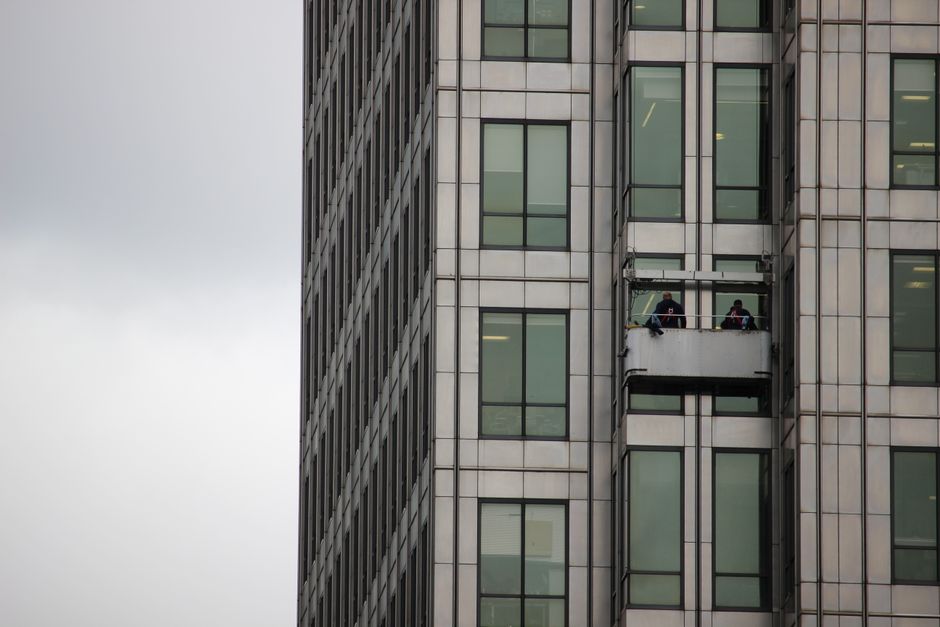
One Canada Square Window Cleaning Checklist for Towers
If you manage or service a tower in Canary Wharf, you already know window cleaning is never just "clean the glass and move on." On a building like One Canada Square, the job is part planning, part safety discipline, and part detail work. A proper One Canada Square window cleaning checklist for towers keeps the process organised, reduces avoidable risk, and helps the finish look sharp from the ground as well as from the office floor. It also makes life easier for building managers, contractors, and residents who want clear expectations before anyone steps onto a rope, cradle, or access platform.
This guide breaks the job down into a practical, human checklist. Not a fluffy one. You'll see how tower window cleaning typically works, what to prepare, what gets missed too often, and where compliance and common sense matter most. If you're weighing up regular maintenance, a one-off clean, or support for a wider commercial cleaning plan, this will give you a solid starting point.
Expert summary: the best tower window cleaning happens before the first bucket is lifted. Good access planning, weather checks, communication, and a proper close-out inspection matter just as much as the cleaning itself. That is the bit people forget, and then wonder why the results don't last.
Why One Canada Square window cleaning checklist for towers Matters
Tower window cleaning is one of those jobs that looks simple from the street and wildly different once you're involved in it. At ground level you see reflections and maybe a bit of traffic dust. Up high, the picture changes. Wind exposure, access restrictions, facade materials, bird mess, hard-water spotting, overspray from nearby works, and timing all start to matter. A checklist gives the team a shared plan so nobody is guessing mid-task.
One Canada Square sits in a highly visible commercial setting, which means presentation matters. Clean windows are not just about appearance either. They affect daylight inside the building, the perception of care, and even how well a property feels maintained. In an office tower, a streaky finish can look worse than a dusty one because it draws the eye immediately. Annoying, but true.
There's also a safety point that can't be brushed aside. High-rise cleaning introduces risks that low-level jobs simply don't have: working at height, dropped-object prevention, weather changes, edge protection, access equipment checks, and coordination with building operations. A checklist reduces the chance of something being forgotten when the pressure is on.
For building managers, a checklist also improves accountability. You can see what was inspected, what method was used, and whether any defects or access issues were noticed before or after cleaning. That kind of detail becomes very useful when you're managing regular maintenance, arranging a commercial cleaning programme, or planning a specialist facade job alongside facade cleaning.
How One Canada Square window cleaning checklist for towers Works
In practice, a tower window cleaning checklist is a sequence of control points. It starts with access and risk assessment, moves through setup and cleaning, and ends with inspection and sign-off. The point is not to make the job bureaucratic. It is to make the job repeatable, safe, and consistent even when different crews or shifts are involved.
Most tower jobs follow a pattern like this: assess the building, select the access method, prepare the area, clean in sections, inspect the finish, then log any defects or follow-up needs. That sounds straightforward because it is. The challenge is doing it properly every single time.
For One Canada Square, a checklist may also need to factor in surrounding movement: visitors, office occupants, loading access, nearby public routes, and weather conditions over Canary Wharf's exposed height. Wind gusts can change quickly. If you have ever watched a perfectly planned morning turn awkward by lunchtime, you'll know why building teams keep a close eye on conditions. One minute it's manageable, the next the platform policy says no.
A good checklist usually fits into three layers:
- Pre-job planning - access, permissions, risk checks, weather, communication, and equipment readiness.
- On-site execution - safe setup, cleaning method, sequencing, and quality control.
- Post-job close-out - final inspection, snag reporting, documentation, and re-clean notes if needed.
That structure works whether the tower is receiving routine maintenance or a deeper one-off service. If the building also needs interiors refreshed, it can make sense to pair the exterior programme with office cleaning or one-off cleaning so the whole property feels looked after, not just the glass.
Key Benefits and Practical Advantages
A checklist is more than a neat admin tool. It saves time, avoids repeat visits, and lowers the chance of missed issues. In tower work, small mistakes can be expensive and visible, which is a nasty combination.
- Consistency - every elevation is treated to the same standard, even if different teams or shifts are involved.
- Safety control - pre-task checks reduce avoidable risk around height, access, and equipment use.
- Better results - a structured process usually means fewer streaks, smears, and missed edges.
- Faster handover - building management can see what was done and what still needs attention.
- Clear accountability - if a panel is damaged or a defect is found, there is a record of when it was noticed.
- Long-term maintenance planning - regular checks help spot recurring problem areas before they get worse.
Another advantage is communication. Tower cleaning can affect other services, and people need warning. Lifts, entrances, loading bays, and nearby work zones may all be touched by the schedule. A checklist helps align everyone so the job doesn't become a surprise interruption at 9:15 on a Tuesday. Nobody wants that email.
There is also a commercial benefit. Clean glazing supports the professional image of a building, which matters in a district like Canary Wharf where presentation is part of the environment. For landlords and managing agents, it can help protect the perceived value of the site and reduce complaints about neglected exteriors.
Who This Is For and When It Makes Sense
This checklist is useful for several groups, and not all of them are the obvious ones.
- Building managers who need a reliable process for ongoing maintenance.
- Facilities teams responsible for planning access and coordinating contractors.
- Cleaning contractors who want a clear, defensible work method.
- Managing agents overseeing quality, cost, and compliance.
- Commercial tenants who want to understand what gets done and how often.
- Owners and landlords who need a sensible standard for a visible landmark property.
It makes sense whenever the building's glazing is visibly dirty, after periods of poor weather, when there has been nearby construction dust, or as part of scheduled maintenance. If the tower has multiple surface types, you may also need to think about adjacent services such as deep cleaning for shared areas or communal area cleaning for lobbies, lifts, and reception zones.
Sometimes the trigger is reputational rather than operational. A building can be structurally fine yet still look tired because of water marks or streaking on the glass. That's the sort of thing people notice while waiting for a lift, even if they never say it out loud.
Step-by-Step Guidance
Below is a practical way to approach tower window cleaning in a high-profile building such as One Canada Square. The order may vary depending on access method and site rules, but the logic stays the same.
1. Confirm the scope
Start by identifying exactly what is being cleaned: all elevations, selected sides, ground-floor glass, podium glazing, or a mix of internal and external windows. Clarify the finish expected as well. "Clean" can mean very different things to different people.
2. Check access and permissions
Before anyone arrives on site, confirm access arrangements, contractor sign-in requirements, lift or plant room access if needed, and any restrictions on working hours. If an access platform or rope access system is being used, the setup must be suitable for the building and the day's conditions.
3. Review the risk assessment and method statement
This is the backbone of the job. It should cover working at height, weather limits, exclusion zones, public protection, dropped-object control, emergency procedures, and communication lines. Don't skip this bit. It is dull right up until it saves the day.
4. Inspect the building and glazing
Look for cracked panes, failed seals, damaged frames, open vents, loose fixings, or anything unusual that should be reported before cleaning starts. If a window is already compromised, cleaning around it needs a careful approach.
5. Prepare the work area
Set up barriers, signage, and exclusion zones as needed. Keep the ground area tidy. Remove unnecessary clutter that could create a slip or trip hazard. A cleaner site is a safer site, and it also looks more professional to passers-by.
6. Select the right cleaning method
Choose the method based on height, access, glass type, soiling level, and building rules. Traditional washing, pure water cleaning, cradle work, rope access, or lift-assisted methods each have strengths and limitations. The choice should suit the building, not the other way around.
7. Clean in a logical sequence
Work from top to bottom and from the least contaminated area to the most contaminated, where possible. This helps avoid dragging dirt across already cleaned sections. On a tower, sequence matters more than people think.
8. Inspect as you go
Do a quick check after each section. Catching a streak early is much easier than discovering it after the crew has packed up and driven away.
9. Complete a final quality check
Once the cleaning is finished, inspect the glass in changing light where possible. Morning glare can hide marks; later light can reveal them. That's just how glass behaves, a little dramatic really.
10. Record issues and hand over
Log any defects, access problems, or maintenance concerns. If the work is part of a wider maintenance cycle, note what should happen next and by when. That follow-through is what turns a one-off clean into a proper building care routine.
Expert Tips for Better Results
Small details make the biggest difference on tower glazing. Here's where experienced teams usually separate themselves from the average job.
- Clean in the right weather window. Wind, bright sun, and sudden rain can all affect finish quality and safety. A calm, dry stretch is usually your friend.
- Don't over-wet the glass. Excess water can create run marks, especially when the building is exposed.
- Pay attention to frames and edges. Most complaints come from the corners, not the centre of the pane.
- Check the finish at different angles. A window can look perfect straight on and still show smears from the side.
- Work with the building rhythm. In busy commercial settings, timing around peak entry periods avoids unnecessary friction.
- Keep a repeat-clean list. Some elevations need more frequent attention because of wind direction, traffic dust, or nearby works.
One practical habit we like is doing a brief "walkback" after each elevation. The team steps away, looks at the work from distance, and catches what close-up eyes miss. It sounds almost too simple. Yet it works, and it saves those awkward callbacks.
If the tower includes more than glass, consider related maintenance items such as gutter cleaning for water management issues or facade cleaning for the full exterior appearance. The building often tells a single story, so the components need to match.
Common Mistakes to Avoid
Even experienced teams can miss a few things when the job is complex or the schedule is tight. These are the usual trouble spots.
- Starting without a final weather check - conditions at tower height can differ from street level.
- Using the wrong method for the access point - that can lead to poor results or unsafe improvisation.
- Skipping edge inspections - frames, seals, and corners often hold the dirt and the clues to problems.
- Failing to protect the area below - people, vehicles, and entry points need consideration.
- Assuming one clean suits every side of the building - some elevations get more exposure and need different treatment.
- Leaving handover notes vague - "done" is not enough if a cracked pane or repeated stain needs follow-up.
Another mistake is trying to compress too much work into a poor weather window. It is tempting. Everyone wants the job complete. But forcing the schedule usually costs more in the end, either through quality issues or safety compromises. Not worth it.
Tools, Resources and Recommendations
A tower window cleaning operation should be equipped for precision and control, not just speed. The exact setup depends on the method used, but the basics usually include the following.
- Suitable access equipment for the building and task
- Approved cleaning solution or pure water system
- Microfibre cloths, applicators, squeegees, or equivalent finishing tools
- Inspection checklist or digital job record
- Barriers, signage, and ground protection where required
- PPE appropriate to the site and method
- Communication equipment for larger or more complex jobs
For teams managing a broader portfolio, it can be useful to align tower window maintenance with other regular services such as regular cleaning, commercial carpet cleaning, or even hard floor cleaning in shared public areas. That way, the building keeps a joined-up standard rather than a patchwork of tidy and neglected zones.
If the property is occupied throughout the year and used by staff, tenants, or guests, a seasonal plan helps. Spring and late autumn are common review points because weather exposure and grime build-up tend to become more obvious then. You can feel the difference when the light comes through cleaner glass; the whole space just settles a bit.
Law, Compliance, Standards, or Best Practice
Tower window cleaning in the UK is typically shaped by general health and safety duties, working-at-height expectations, and site-specific procedures. It is best to treat this as a working area where compliance and sensible practice overlap. The exact obligations will depend on the site, the method, and the contractor, so careful assessment matters.
In practice, that means a few things should always be taken seriously:
- Working at height controls - use the safest reasonably practicable access method.
- Risk assessment and method statements - these should be current and relevant to the building.
- Training and competence - whoever is operating the access system should know what they're doing.
- Public protection - people below the work area must be considered.
- Equipment checks - inspection and maintenance records matter.
- Insurance and accountability - especially on high-visibility commercial sites.
Building managers often ask for proof of competence, insurance, and safety processes before a job goes ahead. That is normal, and fair enough. For peace of mind, it helps when contractors can point to a clear insurance and safety framework and a written health and safety policy. The documentation isn't there to slow work down. It's there because towers are not the place for guesswork.
Good practice also includes clear communication with occupants and nearby site teams, especially if any area below the work zone needs temporary restriction. If you are coordinating multiple services, a shared approach to cleaning, access, and scheduling usually works better than treating each task as a separate island.
Options, Methods, or Comparison Table
Different tower window cleaning methods suit different buildings. The best choice depends on access, exposure, budget, and how often the windows need attention.
| Method | Best for | Strengths | Limitations |
|---|---|---|---|
| Rope access | High, complex elevations | Flexible, precise, useful for hard-to-reach areas | Weather-sensitive, needs competent operatives |
| Cradle or suspended platform | Large towers with planned access points | Stable working position, efficient for repeat routes | Requires setup, planning, and building compatibility |
| Water-fed pole systems | Lower or mid-level glazing and some external areas | Fast, effective for many panels, reduced contact with glass | Not suitable for every height or detail level |
| Internal cleaning plus external access | Mixed glazing or controlled interior spaces | Useful where external access is limited | Does not solve all exterior dirt or weather exposure |
For One Canada Square, the practical decision usually comes down to building design, access permissions, and how much detail is expected on the finish. Some jobs are about routine maintenance. Others are more about restoring the building's appearance after a period of weathering or nearby works. Different goals, different methods.
Case Study or Real-World Example
Picture a weekday morning in Canary Wharf after a run of wet, windy weather. The glass on a tower has light streaking, a bit of traffic film on the lower sections, and several higher panels that look dull rather than outright dirty. Nothing dramatic. But the building is starting to lose its crisp edge.
A facilities manager schedules a clean and uses a checklist to organise the job. First, access is confirmed and the weather window is reviewed. Then the contractor inspects the glazing and notices a small seal issue on one panel, which is logged instead of ignored. The team works in sections, checking the finish as they go, and the final walkaround catches a faint smear on a corner panel that would otherwise have been missed. Not a big issue, but enough to spoil the line of glass if left alone.
The result is more than just cleaner windows. The building looks fresher from the plaza, staff notice better daylight inside, and the maintenance record now includes a small defect that can be dealt with properly. That is what good tower window cleaning should do: tidy the immediate view and support the building's next step.
If the same site also needs a refresh in reception or breakout areas, it can be sensible to line the glazing work up with office cleaning so the whole place feels consistent. One clean surface next to another messy one never quite looks finished, does it?
Practical Checklist
Use this as a working checklist for tower window cleaning at One Canada Square or a similar high-rise building. Keep it simple, but do not cut corners.
- Confirm the exact scope of windows, elevations, and access points.
- Review weather conditions at height, not just street level.
- Check the risk assessment, method statement, and site permissions.
- Verify contractor competence, insurance, and equipment readiness.
- Inspect glazing, frames, seals, and nearby surfaces before starting.
- Set exclusion zones, signage, and any ground protection needed.
- Choose the correct access method for the building and the day.
- Clean in a logical sequence to reduce smears and recontamination.
- Inspect each section as it is completed.
- Carry out a final walkaround in suitable light.
- Record defects, access issues, and follow-up tasks.
- Hand over clear notes to the building manager or duty contact.
Key takeaway: a tower window cleaning checklist is not extra admin. It is the thing that turns a risky, visible job into a controlled and repeatable one.
And yes, a short checklist can feel almost too plain for a landmark tower. But plain is good when the job is complicated. Plain keeps people safe, and it keeps the finish better. Simple wins more often than flashy, honestly.
Conclusion
One Canada Square window cleaning checklist for towers is about more than sparkling glass. It helps teams plan properly, work safely, and leave the building looking cared for rather than merely touched up. In a place like Canary Wharf, that distinction matters. The standard is visible, and people notice when it slips.
Whether you manage a single high-rise or coordinate a wider estate, the smartest approach is the one that combines access planning, quality control, and clear handover notes. That way the work is not just completed, it is documented, understood, and ready for the next cycle. That is the kind of routine that holds up over time.
If you are comparing options for tower glass maintenance or want to pair exterior work with wider building care, it is worth reviewing the available service information and planning the job around your site's priorities.
Get a free quote today and see how much you can save.
Frequently Asked Questions
What is included in a One Canada Square window cleaning checklist for towers?
It usually includes access checks, weather review, risk assessment, equipment inspection, cleaning sequence, final quality check, and defect reporting. The exact list depends on the access method and site rules.
Why do towers need a different checklist from standard window cleaning?
Because the risks and logistics are different. Height, weather exposure, public safety, and access equipment all introduce extra control points that normal low-level cleaning does not need.
How often should a tower like One Canada Square be cleaned?
That depends on exposure, traffic film, weather, and building expectations. Many commercial towers use a regular maintenance cycle rather than waiting until the glass looks obviously dirty.
What is the safest method for high-rise window cleaning?
There is no single safest method for every building. The safest approach is the one matched to the building, the weather, the team's competence, and the access points available on the day.
Can window cleaning be done in windy weather?
Sometimes, but only within the limits set by the risk assessment, method statement, and the equipment used. At tower height, wind can be very different from what you feel at street level.
Do building managers need a checklist even if they use a professional contractor?
Yes, usually they do. It helps with oversight, communication, and post-job records. Even when a contractor leads the work, the building side still benefits from a clear process.
What are the most common mistakes on tower window cleaning jobs?
Common mistakes include skipping weather checks, choosing the wrong access method, missing edge stains, poor ground protection, and failing to record defects for follow-up.
Does tower window cleaning include frames and ledges?
Not always. It depends on the agreed scope. Frames, seals, and ledges should be clarified before the job starts so nobody assumes something that wasn't included.
How do I know if a contractor is properly prepared for high-rise work?
Look for clear risk controls, documented competence, suitable insurance, equipment checks, and a sensible handover process. If the answers feel vague, that is a red flag.
What should happen if damaged glass or a defect is found during cleaning?
It should be reported immediately and recorded clearly. The cleaning team should not ignore it or try to mask it. Proper notes help the building manager decide the next step.
Can tower window cleaning be combined with other cleaning services?
Yes, and often it should be. Combining it with services like commercial cleaning, communal area cleaning, or office cleaning can create a more consistent result across the property.
Is there a good time of year to schedule tower window cleaning?
Spring and autumn are often practical choices because weather patterns and visible dirt build-up tend to make the need more obvious. That said, the best time is the one that fits your building's use and access requirements.